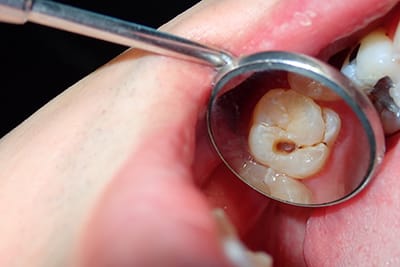

Mouth cancer, also known as oral or oral cavity cancer, is when cells in the mouth mutate and cause tumors. Not all tumors are cancerous; they could be benign or precancerous. Most tumors occur in the soft tissue of the mouth, including the lips, tongue, gums, the roof and bottom of the mouth, and cheek linings.
The risk for developing oral cancer in the U.S. is one in 60 for men and one in 140 for women. The prognosis for survival is far better for people who are diagnosed early. November's Mouth Cancer Action Month aims to reduce the number of cases diagnosed by bringing awareness to the risk factors. The campaign's goal is also to promote awareness of the signs to help with an early diagnosis. You should check your mouth once a month at home. Make sure you feel for lumps and rough patches, as well as visually inspecting your mouth. See your periodontist in Long Island if you notice any abnormalities in your mouth.
Your gum health is an important part of preventing mouth cancer. Arrange an appointment with your periodontist today.
Signs of oral cancer are something you can see, like ulcers (sores), in your mouth. Symptoms are something you feel, like numbness. You should look out for:
There is no foolproof way to prevent developing mouth cancer, but minimizing these risk factors can make it far less likely you will ever develop the disease.
Untreated periodontal disease is linked to oral cancer because it is a bacterial infection. Advanced gum disease can overwhelm your immune system. Anything that compromises your immune system can be a risk factor for oral cancer.
Smoking is the primary risk factor for developing mouth cancer. Smokers have a 91% greater chance for mouth cancer than individuals who have never smoked. Smoking includes cigarettes, cigars, pipes, and electronic cigarettes. According to the Oral Health Foundation, secondhand smoke also increases your risk. People exposed to secondhand smoke at home or work for 15 or more years are twice as likely to develop oral cancer as those who are were exposed to secondhand smoke. Smokeless tobacco is equally as dangerous.
Heavy alcohol use (three drinks a day or more) increases your risk of developing oral cancer. Mix excessive alcohol consumption with tobacco use, and the risk is even higher.
Men are also twice as likely to get oral cancer as opposed to women. There is nothing about being male that increases your risk; it's just than men are more likely to be heavy smokers and drinkers.
First, your dentist or periodontist in Long Island will routinely look for any signs of mouth cancer when they are in your mouth. If they see anything abnormal, like a sore, they may ask you how long it has been there. If there is anything they believe should be tested, you'll have a biopsy.
After a diagnosis of mouth cancer, you’ll have additional tests. These help determine if the cancer has spread and what stage it is in. With theses tests your healthcare providers learn more about your overall health and the cancer. This, along with your general health, help determine your treatment plan.
You may have different treatments alone or in combination. These can include surgery, radiation therapy, chemotherapy, or drugs. It's important that you understand the risks, side effects, and benefits of each treatment. The choice is always yours, and you have the right to ask for a second opinion. You may also have rehabilitative treatment afterward to help your appearance, chewing ability, or speech.
You cannot entirely prevent mouth cancer, but you can can make it far less likely that you would develop it. Some people get mouth cancer without having any of the common risk factors, although not all the risk factors are known yet.
What we do know is that at least 80% of people who are diagnosed with mouth cancer used tobacco. Never start or quit if you currently use it. There is no safe form of tobacco you can use without putting yourself at risk. If you choose to drink alcohol, do so in moderation. Use lip balms with sunscreen in them when you're out in the sun. Eat a healthy diet rich in fruits and vegetables, as this will also help lower your risk due to the antioxidant properties.
Finally, take good care of your teeth and gums. Infections, like gum disease, can compromise your immune system if the are left untreated. If your immune system is weakened, your body won't be able to fight off oral cancer as easily.
Your gum health is essential to your overall health. Schedule an appointment with a periodontist in Long Island for an appointment today.