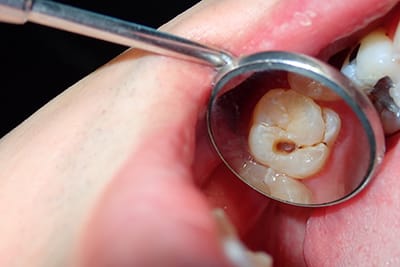

Did you know that there is a direct link between your oral health and your overall physical health? When you suffer from oral health issues, it can directly impact your physical health in a negative way. Gum disease (which is also known as periodontal disease) can lead to multiple chronic health conditions and serious illnesses. Many studies have been conducted that show a direct link to periodontal disease and heart disease, diabetes, lung infections, and respiratory diseases. If you want to learn more about how to take care of your gums so that your overall health stays intact, book a consultation with a periodontist in Long Island. You can also educate yourself on the types of diseases that are commonly linked to periodontal disease by reading this helpful guide.
Once you have an understanding that the mouth is the gateway to your entire body, you will begin to understand the reasons why lung infections and respiratory diseases are closely linked to gum disease. Studies conducted in recent years have shown that the bacteria that is affiliated with gum disease can be aspirated into a person’s lungs. This can contribute to infections and diseases such as pneumonia. The way that your lungs function can also be negatively impacted by gum disease. People who have advanced gum disease (periodontitis) can also experience a reduction in the functioning of their lungs. This is because periodontal disease can lead to inflammation in the tubes that carry the air to a person’s lungs. This inflammation reduces the size of the tubes and restricts airflow. Patients who have gum disease also tend to have worse symptoms when they are diagnosed with bronchitis, emphysema or pneumonia.
Another connection that you may not be aware of is the connection between your mouth and your heart. As gum disease can travel to other parts of your body, it can lead to the vessels of the heart becoming inflamed. It can also cause infections in the valves of your heart. While inflammation is a protective mechanism for your body that occurs as a response to pathogens and irritants, it can cause a great deal of damage if it happens over a long period of time. Long-term inflammation within the body can damage organs and tissues in the body.
This damage can occur throughout the cardiovascular system as the bacteria inside of your mouth moves into your bloodstream, enters the heart and leads to infections within the heart’s valves.
When a patient has pre-existing cardiovascular disease, it can become especially concerning when he or she experiences inflammation within the heart caused by gum disease. Heart issues caused by periodontal disease can lead to any issues that you already had with your heart to become worse. If you have artificial health valves, you need to be extra careful when it comes to caring for your oral health. If you find that you are in need of treatment for gum disease or any other type of dental health care issue, you may need to take a course of antibiotics before receiving your treatment. Your periodontist in Long Island will work with your cardiologist to decide if you are need of special precautions during the course of your treatment.
Yet another disease that has been closely connected to periodontal disease is diabetes. Diabetes occurs when a person’s body is unable to regulate blood sugar and make insulin correctly. Someone who has diabetes is at a higher risk of being diagnosed with gum disease than someone who doesn’t have diabetes is. Gum disease is also considered to be a complication of diabetes. This is because not controlling the blood sugar can lead to high blood sugar levels, which will then encourage the growth of the bacteria that causes periodontal disease. Not only this, but infections that are caused by untreated gum disease can lead to higher blood sugar levels within your body, making it more difficult to manage the disease effectively.
If you have been diagnosed with diabetes, you can work alongside your general dentist and a periodontist to be sure that your teeth and gums remain as healthy as possible. You should also be sure that you receive regular dental checkups. Controlling your blood sugar levels is another important element of keeping gum disease away. Keeping your dental health in great shape also means keeping a great oral hygiene routine at home.
In addition to being linked to heart, lung and respiratory issues, gum inflammation, and gum disease are also connected to a variety of autoimmune disorders. Some of these disorders include lupus, rheumatoid arthritis, and Crohn’s disease. People who have autoimmune diseases are frequently treated with methods that also suppress the immune system, which makes the person more likely to be diagnosed with gum disease. It also makes it harder for the person’s body to fight off infections effectively.
In recent years, some studies have shown that people who have more plaque and gum disease than average could be at a higher risk of developing an autoimmune disease later on. As medical researchers learn more about the connection between the health of the mouth and the rest of the body, it is a great reminder of how important it is that you make your oral health a priority.
Preventing and treating gum disease is a relatively simple process. No matter what kind of underlying health conditions that you have, you should receive routine dental cleanings from your dentist on a regular basis. You should also be scheduling examinations with your dentist every six months so that your dentist can check your teeth, mouth, and gums for any signs of potential issues. Establishing a great at-home oral health care routine that consists of brushing and flossing at least two times a day is also important.
If you are experiencing red, tender, or swollen gums, bleeding when you brush or floss or have receding gums, contact your periodontist in Long Island at Long Island Dental Specialty as soon as possible. Having your gum disease treated promptly will lower your risk of developing further complications.